The Method
The work always starts in the same place. Not with the problem as it's been defined, but with the deeper truth underneath it.
What It Is
Inside Out is a synthesis methodology for designing interventions, strategies, experiences, and creative works that produce lasting - often transformative - change. It is the capacity to synthesize across disciplines (clinical, creative, strategic, relational) and produce outcomes that no single discipline produces alone.
It has been applied and proven across organizational strategy, technology, community health, and creative development. It is the underlying process across all of the work, whether or not it was named as such at the time.
People come to us because something isn't working and they can't see why. The work always starts in the same place.
Transformational Design - What We Do
Transformational design transforms lives, relationships, the moments that matter. It operates at the deepest levels of who we are as human beings - meaning, love, beauty.
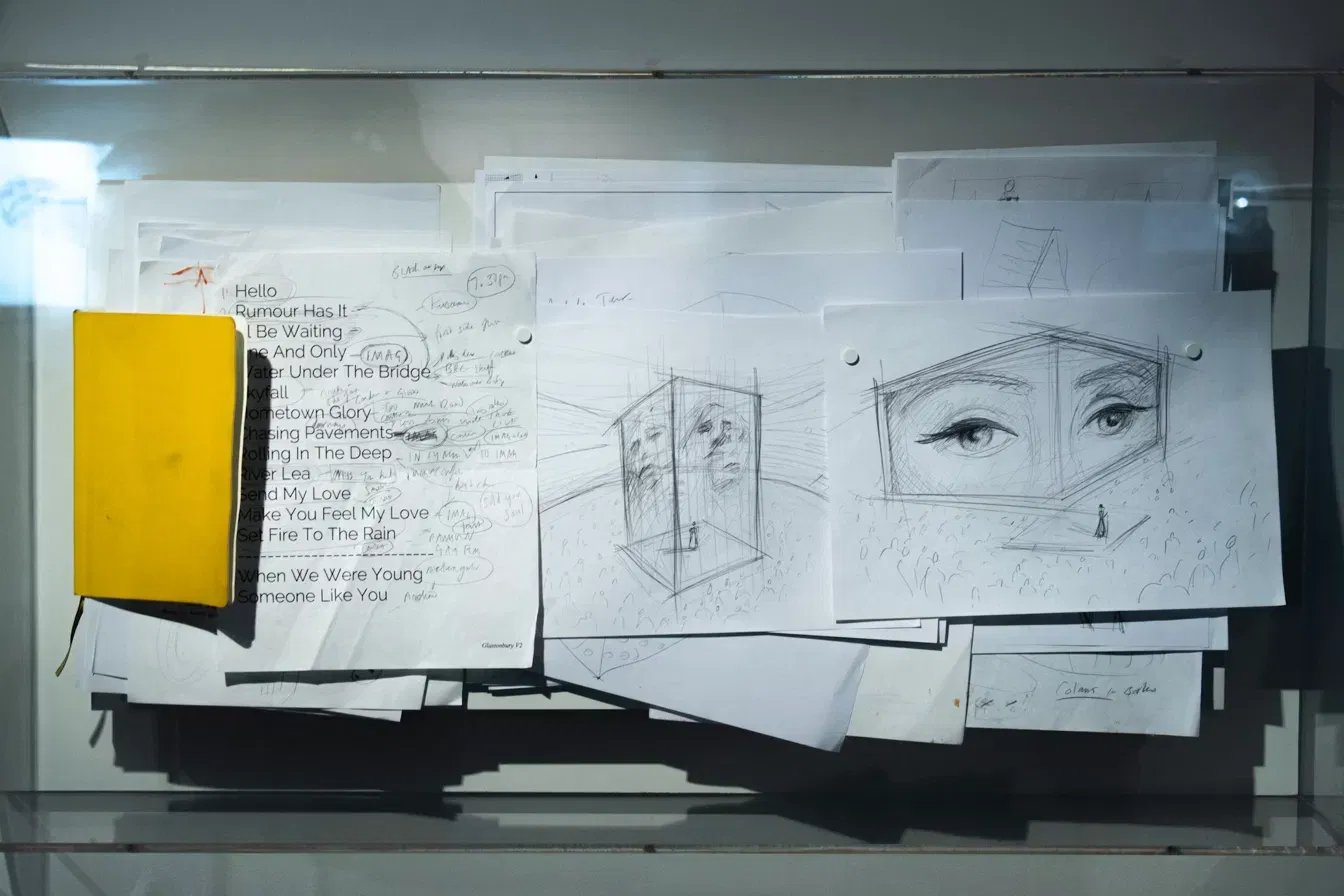
You've encountered it. Many times. Es Devlin designs stages and installations that transform what the audience walks into. Alejandro Jodorowsky has spent fifty years calling art a form of psychomagic - direct intervention into the psyche of the receiver. James Joyce, Samuel Beckett, Ben Okri - writers whose work does something to the reader. The reader is not the same after.
Avatar transformed a generation's relationship to story. The concerts where people leave saying something they can't name: Van Morrison at Montreux. Beyonce. Taylor Swift. Peter Gabriel. The Grateful Dead. The Sphere. Concerts designed as ritual, where the audience leaves transformed.
The pattern: someone has thought carefully about what happens inside the receiver. That's the design. It is a real discipline. Many practitioners. Many practices. Inside Out is one of them.
Stage and Installation
Es Devlin
Transforms what the audience walks into. The design begins inside the experience of the receiver.
Film and Psychomagic
Alejandro Jodorowsky
Fifty years calling art a form of direct intervention into the psyche. The work does something to the receiver. They are not the same after.
Community Health
David J. Adams
Two novel programs - Step-by-Step and Jump Step - designed from inside the lived experience of severe depression. 93% completion. Anxiety -50%. Depression -38%. Peer-reviewed, published, provincially adopted.
Where Inside Out Starts
Inside Out is one way to practice transformational design. The methodology has a specific starting point: it starts inside. Inside the viewer's experience. Inside the audience. Inside what the participant is carrying.
And underneath that: it starts from a recognition. That who we actually are, at our ground, is whole. That recognition shapes every design choice. The hero's journey is the receiver's journey, because the receiver was always the hero. The audience is treated as whole. The participant is treated as already carrying what they need. The work activates what's there.
This is not just spiritual posture. It produces measurable transformation in the world. In community mental health, where transformation is hardest to produce and easiest to measure, the methodology works.
Step-by-Step - Peer-reviewed, BMJ Open Sport & Exercise Medicine 2015
The Premise
The interior of the experience - what is actually being lived, felt, intended, or carried - determines what the outside should be. In every domain. People. Programs. Organizations. Creative work.
When you start from outside, the design fits the template. When you start from inside what is being carried, the design that emerges fits the actual problem.
Inside Out synthesizes across established bodies of knowledge: Human-Centered Design. Theory U. Patient Activation Theory. Community-Based Participatory Research. Exercise science and mental health evidence. Systems thinking. Appreciative Inquiry. Narrative theory and mythic structure: Joseph Campbell and the deep structure of human meaning-making through story.
The Seven Phases
Each phase has its own logic. Skipping ahead produces the kind of result that looks finished and doesn't last.
See
Start with the deepest possible understanding of the experience being designed for. From inside. Lived expertise. Deep immersion. Pattern recognition across weak signals. The capacity to see what is becoming, what's underneath - not just what's on the surface.
Allow
Sit with the fragments without forcing resolution. Research across disciplines simultaneously. Let the connections form rather than imposing structure. The musing phase. The trusting phase. Where the answer is being prepared below the surface before it is ready to emerge.
Connect
Find the white space. The missing linkage. The combination that hasn't been made yet. Creativity is connecting things, applied here to systems and experiences. You see what belongs together and you name it.
Ground
Return to the human. People are whole. Design from their capacity, from what they love, from what activates them. Every decision filtered through one question: does this activate the person or manage them?
Create
Synthesize the connections into form. Something real. A program, an experience, a work, a world. Something people can enter and be changed by.
Test
Prototype with the people inside the experience as co-designers. Start small. Build familiarity before building the full program. Then run it. Evaluate for aliveness, not just function. Then rework. Then repeat.
Hold
Build the ecosystem that sustains the work beyond you. Funding, documentation, partnerships, training, infrastructure. The unglamorous work that makes transformation durable rather than episodic. Hold is not maintenance. It's the commitment to the change being real.
What's Underneath
The work rests on a set of premises that aren't always named but are always present.
We are one. Not metaphorically. Ontologically. The separation between self and other, between human and nature, between practitioner and client - these are constructs. The work starts from this truth even when it doesn't name it.
Disconnection is the root pathology. Depression, isolation, chronic disease, organizational drift, creative paralysis. These are downstream symptoms of a deeper severance - from self, from others, from what matters. Every intervention, at its deepest level, is a reconnection intervention.
People are whole. Not patients. Not consumers. Not users. Not employees. Not audiences. Whole human beings carrying the full complexity of a life. Any design that starts from a partial view of the person produces a partial intervention.
Love is functional. Beauty, connection, meaning, joy. These are not decorative. They are the mechanism by which transformation happens. How teams find traction. How creative work resonates. How a brand becomes a thing people love rather than tolerate.
"We talk with people through the shadows until they discover the light within themselves."
The Synthesis Claim
Inside Out doesn't own any of the disciplines it draws on. The claim is the capacity to synthesize across them under real conditions and produce outcomes that no single discipline produces alone.
That capacity produced two novel successes - Step-by-Step and Jump Step - in community health. It grew a napkin concept into a 300-partner provincial research ecosystem. It pivoted a stalled analytics platform into a national pandemic initiative in five weeks. It shapes every creative engagement taken on now.
Let's solve what's in the way.
Start the conversation